Saqqara
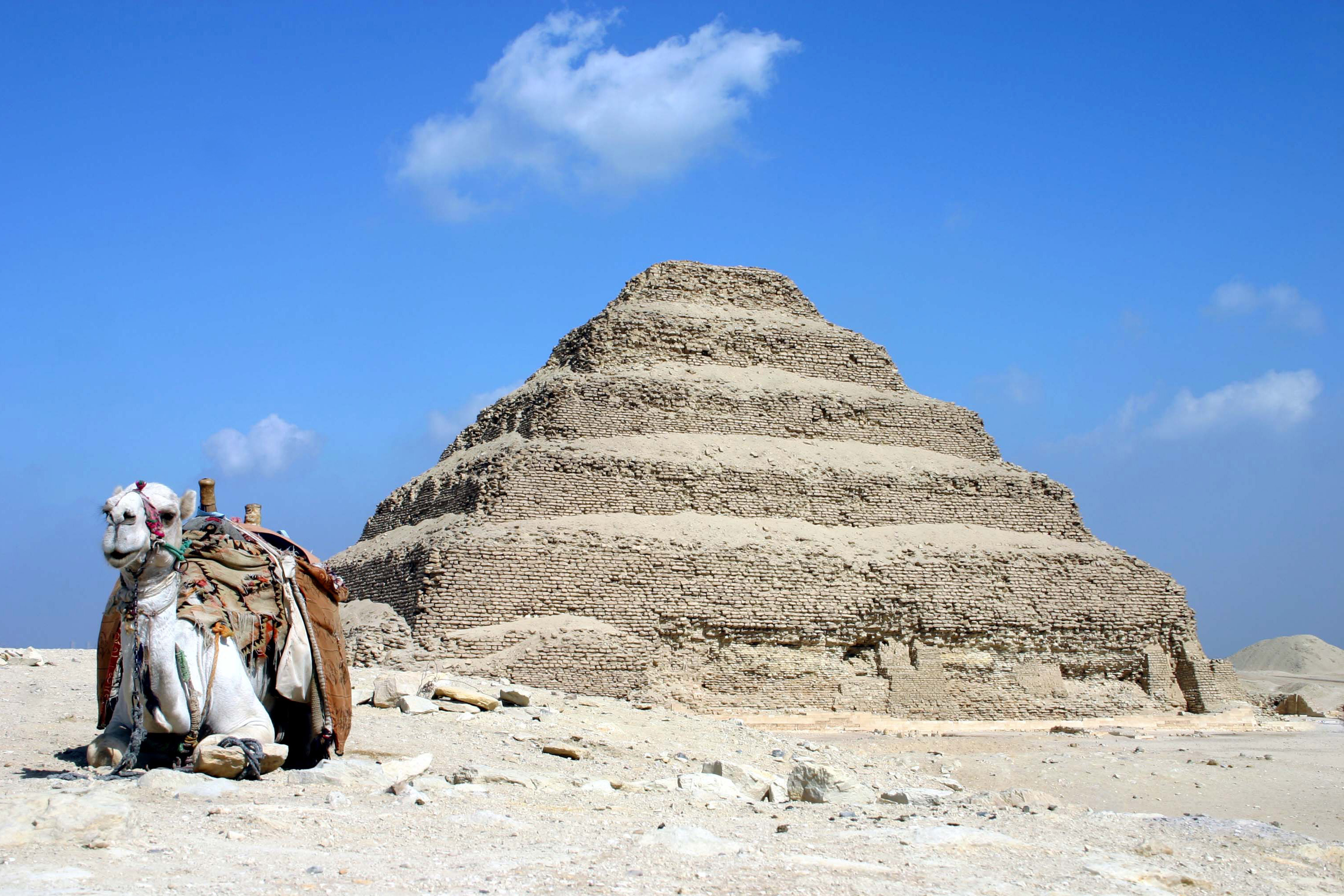
Photo: Charles J. Sharp, CC BY-SA 3.0, via Wikimedia Commons
Saqqara stands as one of Egypt's most extensive archaeological sites, serving as the royal necropolis for Memphis, the ancient Egyptian capital. Covering approximately 7 by 1.5 kilometers (4.3 by 0.9 miles), this sprawling desert cemetery contains numerous pyramids, mastaba tombs, and burial complexes spanning over 3,000 years of Egyptian history. The site's crown jewel is the Step Pyramid of Djoser, recognized as the world's oldest complete stone building complex. Located 30 kilometers south of modern Cairo, Saqqara represents the southern anchor of the greater Memphite Necropolis, which includes the famous pyramids of Giza to the north.
Timeline
Construction of the Step Pyramid of Djoser during the Third Dynasty, creating the world's first monumental stone building
Sixteen additional Egyptian kings build pyramids at Saqqara during the Old Kingdom period
Saqqara becomes part of the Memphis and its Necropolis UNESCO World Heritage Site
What the Show Claims
- ›The global pyramid phenomenon indicates extraterrestrial guidance of ancient civilizations, with Saqqara representing early evidence of this influenceS09E10
- ›Advanced mummification practices at Saqqara suggest knowledge beyond what ancient Egyptians should have possessedS09E05
What Archaeology Says
Archaeological excavations at Saqqara have revealed a continuous history of burial practices spanning from the early dynastic period through Roman times. The site contains mastaba tombs of high officials, numerous pyramids in various states of preservation, and extensive underground galleries filled with mummified animals. Major discoveries include the Serapeum, a vast underground complex containing massive granite sarcophagi for sacred Apis bulls, and countless tombs decorated with intricate hieroglyphs and artwork.
Key researchers have included Auguste Mariette, who discovered the Serapeum in the 1850s, and more recent archaeological missions that continue to uncover new tombs and artifacts. The Step Pyramid complex, designed by the architect Imhotep, represents a revolutionary leap in construction techniques, transitioning from mud brick mastabas to monumental stone architecture. Scientific analysis reveals sophisticated understanding of engineering, mathematics, and astronomy incorporated into the pyramid's design.
The archaeological consensus views Saqqara as a natural evolution of Egyptian funerary practices and architectural innovation. The step pyramid's design shows clear developmental stages from earlier mastaba tombs, and the construction methods, while impressive, fall within understood capabilities of organized ancient societies. However, some aspects remain intriguing to researchers, including the precise methods used to quarry, transport, and position massive stone blocks, and the full extent of underground complexes that continue to be discovered.
Ongoing excavations regularly reveal new tombs and artifacts, suggesting that much of Saqqara's archaeological wealth remains buried. Recent discoveries include well-preserved mummies, intact burial chambers, and previously unknown pyramid complexes, indicating that our understanding of this remarkable necropolis continues to evolve with each archaeological season.
Mysteries & Fun Facts
Saqqara contains the oldest complete stone building complex known in history
The site served as an active burial ground for over 3,000 years, from the early dynastic period through Roman times
Sixteen different Egyptian pharaohs built pyramids at Saqqara
The name may derive from either the ancient funerary deity Sokar or a local Berber tribe called Beni Saqqar
Planning a Visit
Saqqara is generally accessible to visitors through organized tours or independent travel from Cairo, with several key monuments open for public viewing including the Step Pyramid complex and various mastaba tombs. The site requires a moderate amount of walking across desert terrain, and visitors should check current opening hours and accessibility as some areas may be restricted during ongoing archaeological work.
Cairo, approximately 30 kilometers northeast
The optimal time to visit Saqqara is during Egypt's cooler months from October to April, when desert temperatures are more comfortable for extended outdoor exploration. Early morning visits help avoid both crowds and the intense midday heat typical of the desert environment.
Related Sites
Abu Simbel
Another major Egyptian site featured on Ancient Aliens that showcases advanced ancient Egyptian construction techniques and astronomical alignments
Bent Pyramid of Dahshur
Part of the same Memphite Necropolis complex, representing the experimental phase of pyramid building that preceded Saqqara's architectural innovations
Luxor Temple
Demonstrates the continuity of ancient Egyptian religious and architectural traditions that began at sites like Saqqara
Also Covered In
Featured In2 episodes
Historical data sourced from Wikipedia