Copan
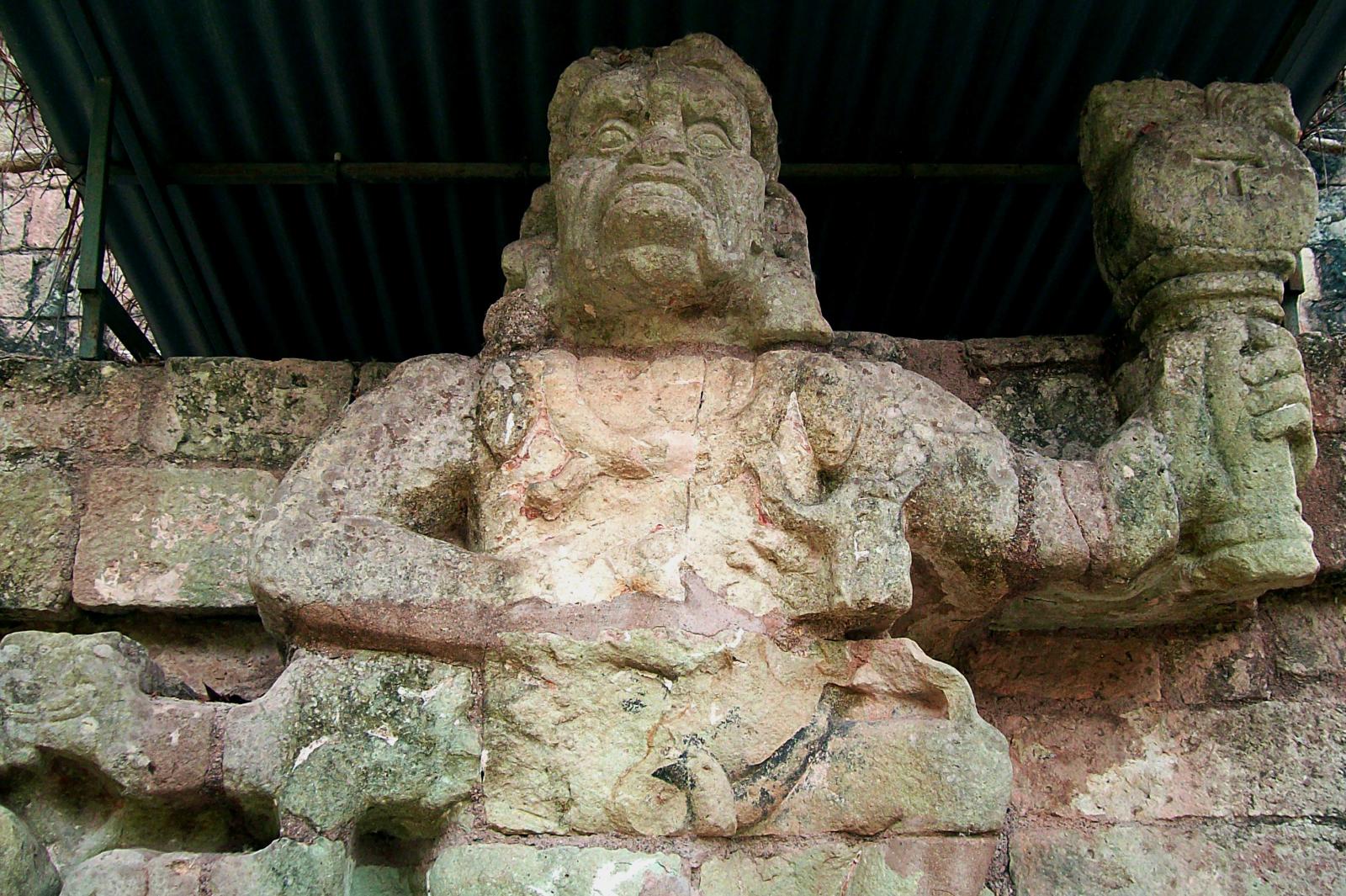
Photo: Adalberto Hernandez Vega from Copan Ruinas, Honduras, CC BY 2.0, via Wikimedia Commons
Copán stands as one of the most artistically sophisticated Maya cities, located in the lush highlands of western Honduras near the Guatemalan border. The archaeological site encompasses approximately 24 acres of ruins, including the famous Hieroglyphic Stairway with over 2,500 individual glyphs — one of the longest Maya texts ever discovered. Visitors today can explore the Great Plaza, the Ball Court, and the towering Acropolis complex, all connected by ancient stone causeways. The site's elaborate stelae and altars showcase the pinnacle of Maya sculptural achievement, with intricate carvings depicting rulers, gods, and cosmic events that once chronicled the city's 400-year golden age.
Timeline
K'inich Yax K'uk' Mo' establishes the Copán dynasty, founding the city as a major Maya center
Ruler 18 Rabbit is captured and beheaded by neighboring Quirigua, marking the beginning of Copán's decline
City is abandoned during the broader Maya civilization collapse
American explorer John Lloyd Stephens and artist Frederick Catherwood document and publicize the ruins
Copán Archaeological Site inscribed as UNESCO World Heritage Site
What the Show Claims
- ›Strange carvings at Copán suggest the Mayan city was ruled by descendants of otherworldly beingsS03E08
- ›Maya hieroglyphic depictions represent evidence of extraterrestrial rulers rather than human nobilityS03E08
Theorist Takes
“Some of the large stautes at Copan are infantly fascinating to me the gear they are wearing is very reminiscent of something technological.”
From the Transcripts
“In a fertile valley between the Pacific Ocean and the Caribbean Sea, in what is now Honduras, lie the monumental ruins of Copan.”
What Archaeology Says
Excavations at Copán, beginning with formal archaeological work in the early 20th century, have revealed one of the most complete records of Maya civilization. The Hieroglyphic Stairway, discovered and stabilized by the Carnegie Institution, contains the longest known Maya text, chronicling the city's dynastic history from its founding in 426 AD through multiple rulers. Extensive tunneling beneath the Acropolis has uncovered earlier construction phases, revealing how Maya architects built new structures directly over older ones, creating a layered archaeological record spanning centuries.
Key researchers including Sylvanus Morley, Tatiana Proskouriakoff, and more recent teams have deciphered much of Copán's written record, identifying specific rulers and their achievements. The Copán Mosaics Project has painstakingly reconstructed fallen sculptures, revealing intricate depictions of Maya cosmology, including feathered serpents, jaguars, and elaborate headdresses worn by rulers during ceremonial events. These carvings follow established Maya artistic conventions found throughout the region, depicting human rulers adorned with symbols of divine authority.
Scientific consensus interprets Copán's elaborate artwork as sophisticated political and religious propaganda, designed to legitimize royal power through association with Maya deities. The so-called 'strange' figures that capture modern attention represent Maya rulers wearing traditional ceremonial regalia, including elaborate headdresses with feathered serpent motifs and jade ornaments. Carbon dating, ceramic analysis, and architectural studies confirm the site's development followed typical Maya urban planning principles.
However, some aspects of Copán remain genuinely mysterious. The precise reason for the city's rapid abandonment around 900 AD is still debated, with theories ranging from environmental degradation to political upheaval. Additionally, the full meaning of certain complex hieroglyphic passages continues to challenge epigraphers, and ongoing excavations regularly uncover new chambers and artifacts that add layers to our understanding of this remarkable Maya center.
Mysteries & Fun Facts
The Hieroglyphic Stairway contains over 2,500 individual Maya glyphs, making it the longest Maya text ever discovered
Copán's Ball Court is among the most elegant examples of Maya sporting architecture, with sloping walls decorated with macaw head sculptures
The site's location was chosen partly for its proximity to high-quality volcanic tuff stone, perfect for detailed carving
Ruler 18 Rabbit commissioned more stelae during his reign than any other Maya king, earning him recognition as Copán's greatest patron of the arts
Planning a Visit
Copán Archaeological Park is generally accessible to visitors year-round, with well-maintained pathways connecting the major structures and an excellent on-site museum displaying recovered artifacts and sculptures. The site requires moderate walking ability due to uneven ancient stone surfaces and some climbing to reach elevated temple platforms.
Copán Ruinas town (1 mile) and San Pedro Sula (approximately 110 miles)
The dry season from December to April offers the most comfortable weather for exploring, with less humidity and minimal rainfall. Early morning visits provide cooler temperatures and better lighting for photography of the intricate stone carvings.
Featured Locations2 sites within this area
Hieroglyphic Stairway, Copan
HondurasMayan City of Copan
HondurasStrange carvings suggest the Mayan city of Copan was ruled by descendants of otherworldly beings. Ancient Astronaut theorists propose extraterrestrial genetics influenced Mayan rulership.
Related Sites
Palenque
Another major Maya city renowned for elaborate hieroglyphic inscriptions and royal tomb discoveries
Chichen Itza - Kukulkan Temple
Maya ceremonial center featuring similar feathered serpent imagery and astronomical alignments
Tulum
Maya coastal site with well-preserved temples and murals depicting Maya cosmology and rulers
Also Covered In
Featured In1 episodes
Historical data sourced from Wikipedia