Nazca Region
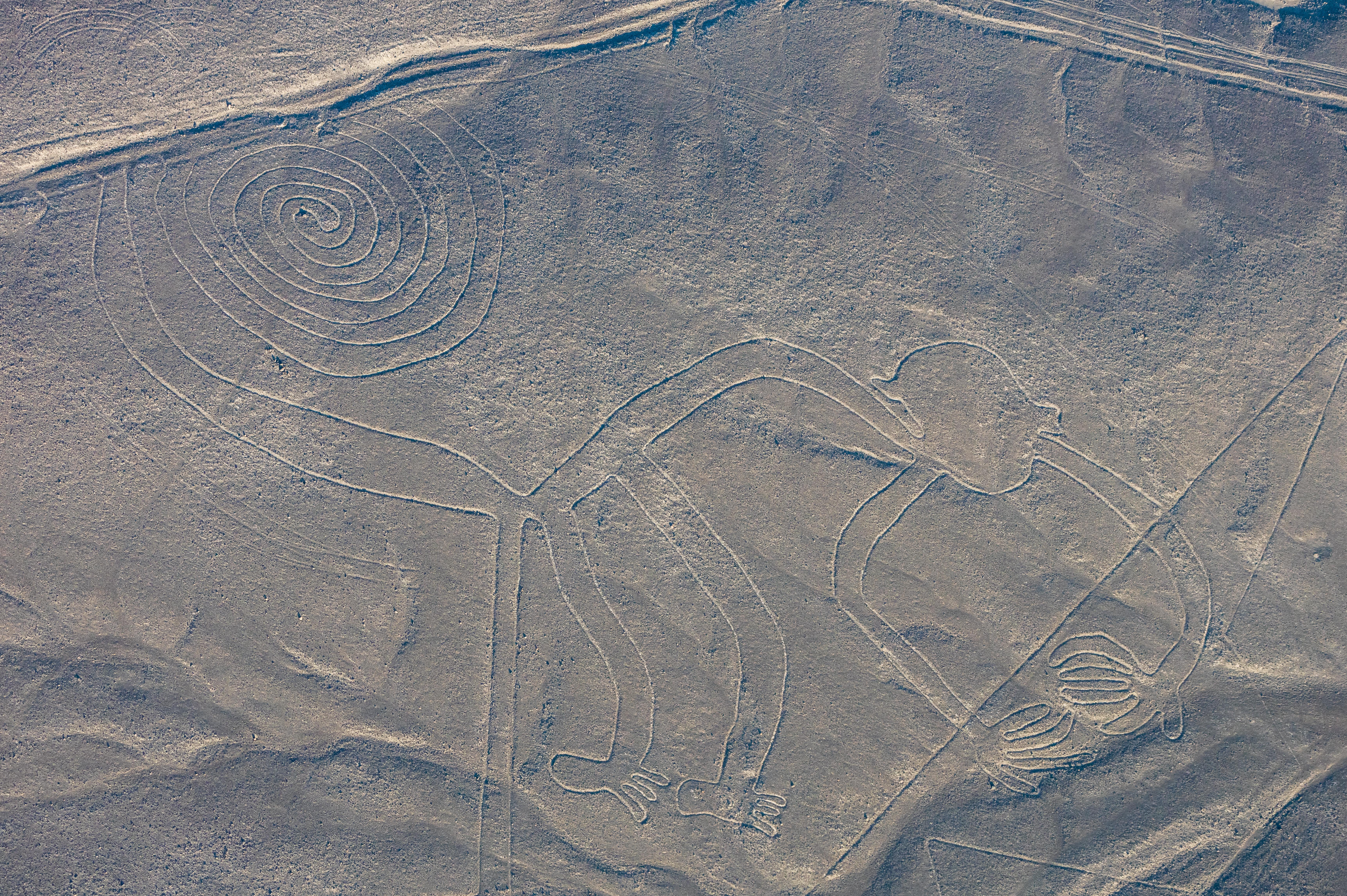
Photo: Diego Delso, CC BY-SA 4.0, via Wikimedia Commons
The Nazca Region encompasses a vast desert plateau in southern Peru, home to the world-famous Nazca Lines - hundreds of geoglyphs etched into the arid landscape. These massive drawings span approximately 1,000 square kilometers and include geometric patterns, animal figures, and straight lines that can stretch for over 30 kilometers. The region sits on a high plateau approximately 400 meters above sea level, where the extremely dry climate and minimal wind have preserved these ancient markings for over 1,500 years. Visitors today typically view the lines from small aircraft, as their full scope and intricate designs are only truly appreciable from the air.
Timeline
Nazca culture begins creating the earliest geoglyphs in the desert
Peak period of line creation ends as Nazca civilization declines
First archaeological study of the lines conducted by Peruvian archaeologist Toribio Mejía Xesspe
Lines and Geoglyphs of Nazca and Palpa designated as UNESCO World Heritage Site
What the Show Claims
- ›The Nazca Lines were created as tribute to visiting extraterrestrial gods, serving as landing strips or signals for ancient astronautsS05E08
- ›The region's massive nitrate deposits may have been mined by advanced beings for rocket fuel and weaponry in the distant pastS05E08
What Archaeology Says
Archaeological investigations have revealed that the Nazca Lines were created using remarkably simple techniques, involving the systematic removal of iron-oxide-coated pebbles from the desert surface to expose the lighter-colored earth beneath. The dry, stable climate of the region has acted as a natural preservative, protecting these markings from erosion for centuries. Excavations have uncovered pottery fragments and other artifacts along some lines, suggesting they held ceremonial significance for the Nazca people.
Key researchers including Maria Reiche, who dedicated her life to studying and protecting the lines from the 1940s onward, have documented the astronomical alignments of many geoglyphs. Some lines point toward the positions of important stars and constellations as they appeared during the Nazca period, supporting theories that they served as a giant astronomical calendar. German archaeologist Markus Reindel's recent work has identified over 600 individual figures, far more than previously cataloged.
The scientific consensus holds that these geoglyphs served multiple ritual and ceremonial functions for the Nazca culture, possibly related to water worship and agricultural ceremonies crucial for survival in this desert environment. The geometric precision of many lines suggests sophisticated planning and coordination among Nazca communities, though the exact methods used for large-scale layout remain debated.
What remains genuinely mysterious is the full extent of the lines' symbolic meaning and the specific rituals they may have facilitated. Recent discoveries continue to emerge, with new geoglyphs identified as recently as 2019 using artificial intelligence and drone technology, suggesting our understanding of this ancient landscape is far from complete.
Mysteries & Fun Facts
The largest figures span over 200 meters in length, while the longest straight lines extend for more than 30 kilometers
The hummingbird geoglyph measures approximately 93 meters in length and was created with a single continuous line
Some lines are only 30 centimeters wide but maintain perfect straightness across vast distances
The region contains one of the world's largest natural deposits of sodium nitrate, historically mined for fertilizer and explosives
Planning a Visit
The Nazca Lines are generally accessible to visitors through organized flights from local airports, with numerous tour operators offering aerial viewing experiences from the nearby city of Nazca. Ground-level observation is possible from designated viewing towers along the Pan-American Highway, though the full scope of the designs is only visible from the air.
Nazca, approximately 15 kilometers away
The dry season from May to September offers the clearest skies and most stable flying conditions for aerial tours. Morning flights are typically preferred due to calmer winds and better visibility.
Featured Locations3 sites within this area
Cahuachi, Peru
PeruCahuachi
PeruNazca elongated skulls sites, Peru
PeruRelated Sites
Sacsayhuaman
Another remarkable example of precise ancient Peruvian stonework that challenges conventional understanding of pre-Columbian capabilities
Chavín de Huántar
An earlier Peruvian ceremonial complex that demonstrates the region's long history of sophisticated religious and astronomical practices