Dwarka (Submerged City)
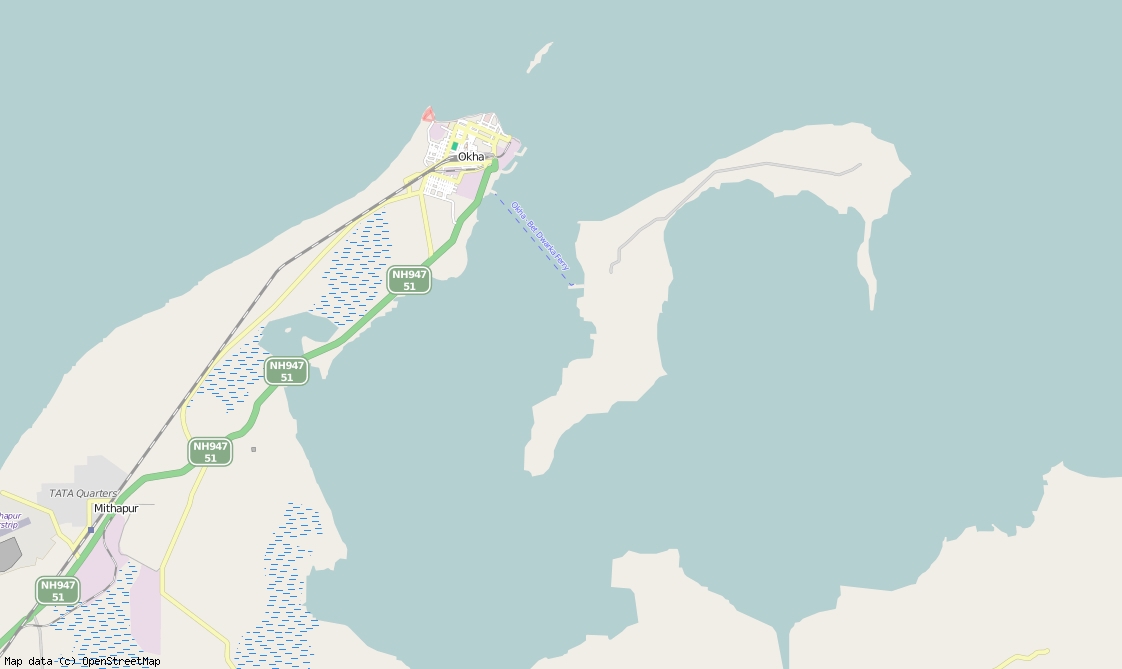
Photo: ©OpenStreetMap contributors, CC BY 2.5, via Wikimedia Commons
Dwarka, located off the coast of Gujarat, India, is an underwater archaeological site where submerged structures lie beneath the Arabian Sea near the modern holy city of the same name. Underwater surveys have revealed stone walls, platforms, and various artifacts scattered across the seabed at depths of approximately 12-40 feet. The site spans several kilometers along the coastline, with the most significant finds concentrated near Bet Dwarka island. According to Hindu tradition, this was the legendary golden city of Lord Krishna, described in ancient texts as having elaborate palaces, gardens, and defensive walls before being claimed by the sea.
Timeline
Earliest dated artifacts found in underwater surveys, indicating Bronze Age settlement
Composition period of the Mahabharata, which describes Krishna's magnificent city of Dwarka
First systematic underwater archaeological surveys begin off Dwarka coast
Marine Archaeological Unit conducts extensive underwater excavations revealing structured remains
What the Show Claims
- ›Submerged structures off the coast of Gujarat match the description of Krishna's city in the MahabharataS03E09S06E04
- ›The city was destroyed in a war fought with alien weapons — described in the Mahabharata as 'divine astras'S03E09S14E14
- ›The submerged structures date to 9000 BC — before any known civilization — suggesting alien construction
- ›Krishna was himself an extraterrestrial being who visited Earth and encoded alien knowledge in the Bhagavad GitaS06E04
What Archaeology Says
Underwater archaeological surveys conducted by India's Marine Archaeological Unit since the 1980s have revealed fascinating submerged structures off Dwarka's coast. The explorations have uncovered stone walls, platforms, pottery fragments, anchors, and what appear to be defensive fortifications lying on the seabed. The most significant finds include massive stone blocks arranged in patterns suggesting planned construction, along with artifacts like copper objects, beads, and pottery sherds.
Radiocarbon dating and pottery analysis indicate these remains date primarily to around 1500 BC and later periods, placing them firmly within the Bronze Age and consistent with known civilizations of ancient India. Leading archaeologists like Dr. S.R. Rao have suggested these ruins represent the remains of an ancient port city that was gradually submerged as sea levels rose following the last Ice Age. The submergence appears to have been a gradual process rather than a sudden catastrophic event.
The scientific consensus among marine archaeologists is that Dwarka represents one of several ancient coastal settlements that were lost to rising seas over millennia. The construction techniques and materials found are consistent with Bronze Age Indian civilizations, showing no anomalous technology or construction methods. While the site is undoubtedly significant for understanding ancient Indian maritime culture, the archaeological evidence supports conventional explanations for its construction and submergence.
What remains genuinely intriguing is the potential connection between these physical ruins and the literary descriptions in the Mahabharata. While the epic was composed much later than the archaeological remains, it may preserve cultural memories of this once-great coastal city. The relationship between myth, memory, and archaeological reality at Dwarka continues to fascinate researchers studying how ancient texts might encode historical information.
Mysteries & Fun Facts
The site contains stone anchors weighing several tons, suggesting ancient Dwarka was a major maritime trading hub
Some of the submerged walls appear to follow the same orientation as the modern Dwarka temple complex above water
The Arabian Sea has risen approximately 120 feet since the last Ice Age, gradually claiming many ancient coastal settlements
Local fishermen have long reported catching pottery and carved stones in their nets from these waters, leading to the first archaeological investigations
Planning a Visit
The underwater ruins themselves are accessible only to certified divers with special permissions, as this is an active archaeological site under government protection. However, visitors can explore the modern city of Dwarka with its famous Krishna temple and take boat trips to Bet Dwarka island, where some structures are visible in shallow waters during low tide.
Jamnagar, approximately 137 kilometers northeast of Dwarka.
October through March offers the best weather and sea conditions for visiting Dwarka, with calmer waters and pleasant temperatures. The monsoon season from June to September should be avoided due to rough seas.
Related Sites
Harappa
Another major Indus Valley civilization site that challenges conventional timelines of ancient Indian development
Chichen Itza - Kukulkan Temple
Like Dwarka, associated with ancient texts describing divine beings and advanced technology by ancient alien theorists
Gobekli Tepe
Often cited alongside Dwarka as evidence of advanced prehistoric civilizations predating known history